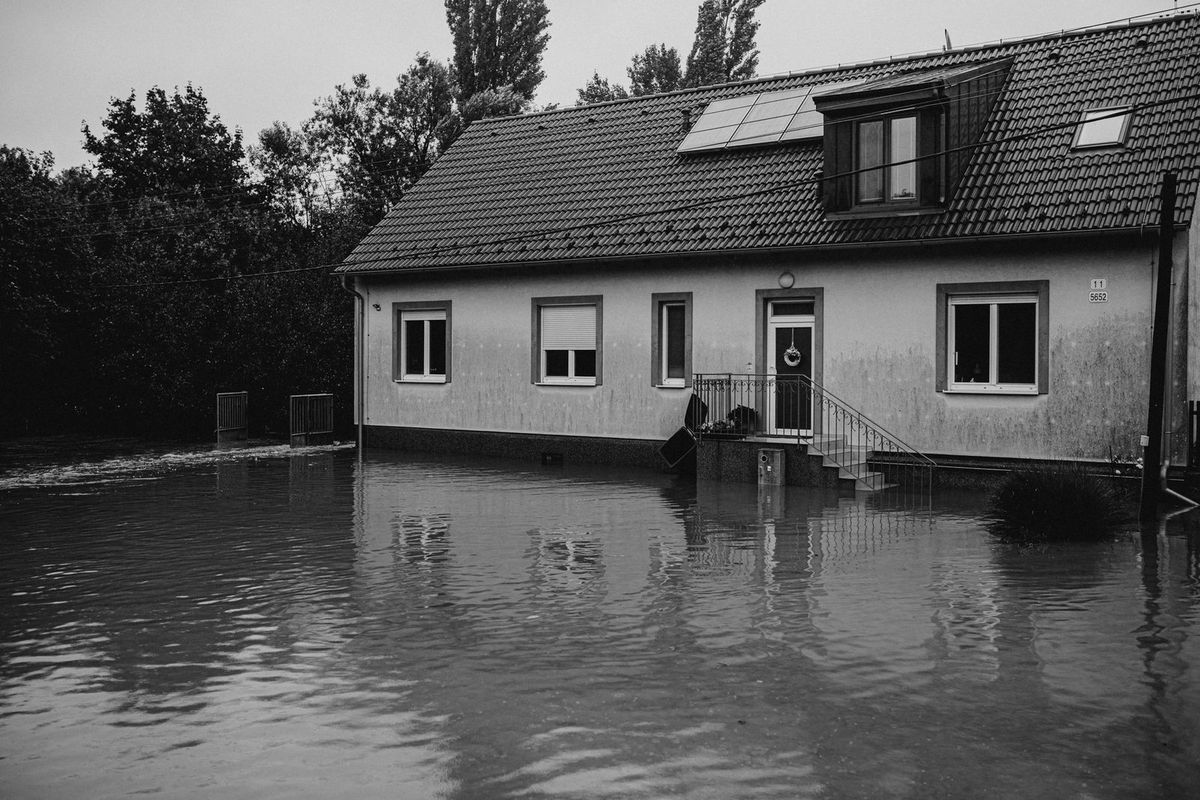
A Seattle basement is a lot of house. In the north-end and central neighborhoods, Ballard, Phinney, Green Lake, Ravenna, Wallingford, Capitol Hill, the Central District and West Seattle, houses built from 1905 to 1940 have full or partial basements that were dug for a furnace and a coal bin and have since become laundries, rec rooms, offices and rental units. They are also the lowest point in the house, which makes them where the water ends up.
The three ways a Seattle basement floods
From the ground. Hillside neighborhoods on glacial till, Queen Anne, Magnolia, Madrona, Beacon Hill, the West Seattle slopes, shed water sideways into foundations during long rains. It comes through the cove joint where the wall meets the slab, through cracks, through old window wells and sometimes up through the slab itself. This is seepage, it is normally excluded from coverage, and it is the most common basement call in December and January.
From the plumbing. The water heater, the washing machine, the utility sink, galvanized supply lines reaching the end of their life, and the main shutoff itself all live in the basement. These are sudden, accidental losses and are usually covered.
From the drain. Floor drains and basement showers are the lowest fixtures in the house. When the city's combined sewer surcharges in a storm or the side sewer blocks with roots, flow comes back up through them. Sump pumps that lose power, jam or simply wear out send the water they were holding back into the room. These are covered only with a water backup endorsement, and they are Category 3 losses that need contamination controls.
Why basements need dehumidification, not just fans
Below-grade rooms sit in cool, damp soil and have little air exchange. Blowing air around a wet basement in a Seattle winter moves humid air from one wall to another. Effective drying uses low-grain refrigerant dehumidifiers to pull the moisture out of the air so the air movers have somewhere to put it. Equipment is sized by the volume of the space and the amount of wet material, and the readings prove it is working.
Finished basements and rentals
Finished basements add drywall, insulation, carpet, trim and cabinets to the list of materials that absorb water, plus the belongings of whoever lives down there. The crew handles the contents with the same documentation as the structure: photographed in place, moved, sorted and inventoried, so the contents portion of your claim is as well supported as the building portion. If the basement is a rental unit, the tenant's belongings are their renters-insurance claim, and your policy handles the structure; the crew keeps the documentation separate so both claims work.
The coverage conversation, up front
The source of the water decides whether this is an insurance job or an out-of-pocket one, so the crew identifies it first and tells you. Plumbing losses are documented and billed directly to your insurer. Seepage and groundwater get a written estimate before any chargeable work and an honest description of what a drainage contractor would need to fix. Backups are documented for both your insurer and, where the city's system is involved, a claim to the city. You will never find out which case you were in from an invoice.