Raining right now? Lines are open 24 hours, every dayOpen 24 hours · Seattle & Puget Sound Call or text (844) 543-5757·info@helpmenow.com
Rain CityWater Damage
(844) 543-5757
Storm response

Roof leaks and storm water damage, handled while it is still raining

Call me right now

Need help? Request a local contractor

Free · No obligation · You choose who to hire

Handled by HelpMeNow.com, a Help Me Now Inc service. The restoration contractor who calls you is an independent Washington-registered business.

Atmospheric rivers and November wind storms push water past flashing, under shingles and through anything a branch has opened up. Crews tarp, stop the interior damage and dry the structure, and the claim is documented from the roof down.

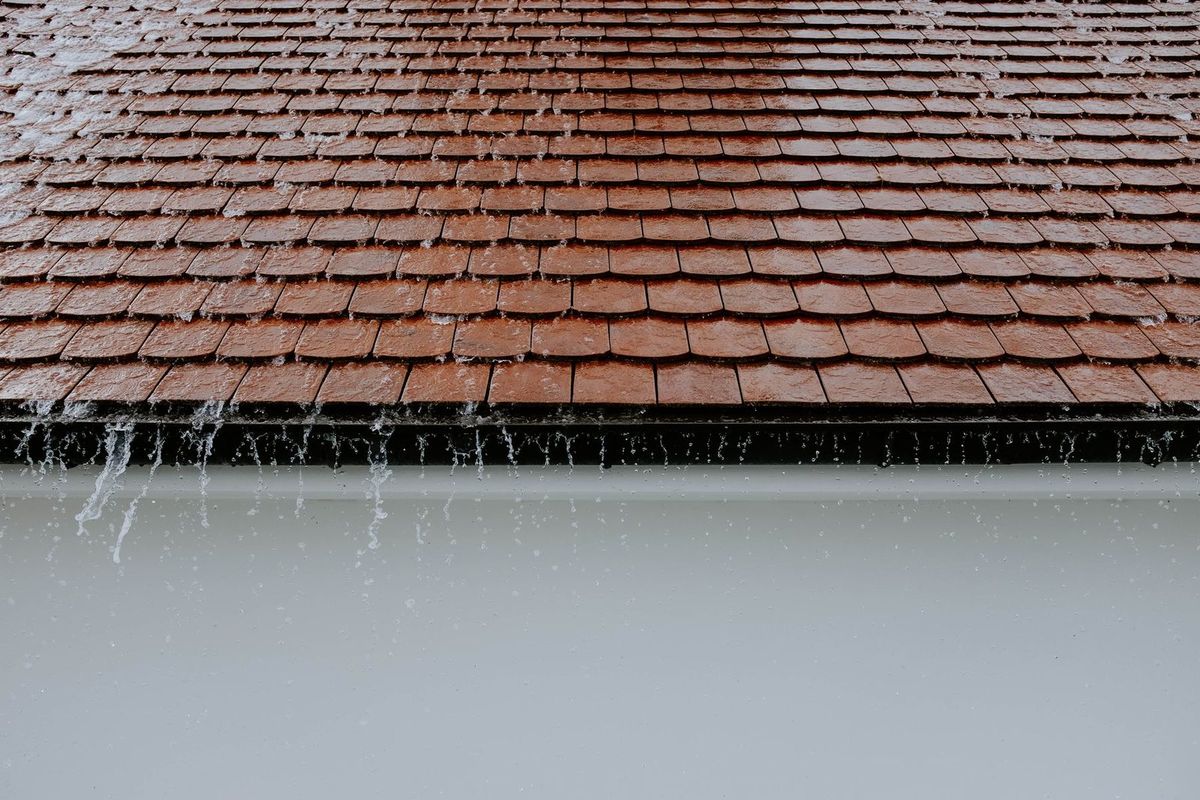
Rain pouring off a tile roof
Seattle rain finds every failed flashing.

Seattle gets its rain sideways. The November through February storms that matter here arrive with wind, and wind-driven rain is what finds the weak points in a roof: lifted shingles, cracked flashing at a chimney or skylight, a plugged gutter that sends water back under the eave, a valley full of fir needles. A roof that has been fine for ten dry summers leaks in the first real atmospheric river of the season.

Where the water actually goes

The stain on the ceiling is rarely under the hole in the roof. Water runs along rafters, sheathing and the top of drywall until it finds a seam or a light fixture, so a ceiling mark in the hallway may come from flashing twenty feet away. Crews trace the path with pin and pinless moisture meters and an infrared camera, because drying the room with the stain while leaving a wet attic cavity above the bedroom produces a mold problem in spring.

Insulation is the hidden casualty. Blown-in cellulose and fiberglass batts soak up water and hold it against the ceiling drywall and the framing. Wet insulation does not dry in a Seattle winter attic; it is removed, the cavity is dried, and it is replaced as part of the claim.

Emergency tarping

A tarp is a mitigation step, not a repair, and it is one that most policies expect and pay for. Crews secure heavy-duty tarps with battens over the damaged section when conditions allow safe roof access. In high winds the crew may seal from inside the attic and tarp when the wind drops. The permanent repair is yours to arrange with the roofer of your choice; the tarp buys the days or weeks that takes during storm season.

Fallen trees and branches

Puget Sound fir and cedar come down in every big wind event. A branch through the roof is a straightforward covered loss on nearly every policy: the roof, the interior water damage and the tree removal from the structure are usually all covered. Crews coordinate with your tree service, tarp the opening once the branch is off, and dry the interior. Photograph the tree on the roof before anyone touches it.

Gutters, downspouts and the eaves

Not every storm leak comes through the roof. Clogged gutters overflow back under the roof edge and into the soffit and wall cavity, and downspouts disconnected at the ground send hundreds of gallons against the foundation in one storm. Both show up as wet walls near the ceiling line on the top floor or as a wet basement wall. The crew identifies the real entry point so the fix addresses the cause rather than the symptom.

The insurance picture

Storm claims are decided on cause. Sudden damage from wind, hail or falling objects is covered; gradual deterioration is not. The same leak can be either depending on what the photographs show, which is why the crew documents the roof surface, the flashing, the water path and the interior before anything is cleaned up. On covered claims the restoration contractor bills your insurer directly for the tarping, drying and interior work, and you pay your deductible. If a roof has simply reached the end of its life, you will hear that from the crew honestly, with a written estimate for the interior drying so you can decide how to proceed.

What to expect

What happens on a storm leak call

Contain the interior

Buckets and plastic under the drip, a small controlled hole in a sagging ceiling so it drains instead of collapsing, furniture and electronics moved out from under it.

Immediately

Find the entry point

The crew traces the water with meters and thermal imaging from the stain back to where it came in, which is often rooms away from the ceiling mark.

First hour

Tarp or temporary seal

A tarp over the damaged roof section, or a temporary seal at failed flashing, stops the loss until a roofer can make the permanent repair. The tarping is itself a covered mitigation cost on most claims.

Same visit, weather permitting

Open and dry

Wet insulation is removed, ceiling drywall that has sagged or saturated is cut back to dry material, and air movers and dehumidifiers dry the framing and the cavity.

Day 1 to 4

Document for roof and interior

Photos of the roof damage, the water path and the interior damage go in one file so the roof claim and the interior claim tell the same story.

Throughout
FAQ

Questions homeowners ask us

Is a roof leak covered by homeowners insurance in Washington?

The interior water damage from a roof leak is usually covered when the leak was caused by a sudden event such as wind damage, a fallen branch or hail. The roof repair itself is covered when the roof was damaged by that event. Leaks from an old roof that has simply worn out are generally treated as maintenance and excluded, and some policies will still pay for the resulting interior damage while others will not. The crew documents the cause carefully because the cause is what the adjuster decides on.

The ceiling is bulging. Should I poke a hole in it?

Yes, if it is safe to reach. A small hole in the lowest point of the bulge, with a bucket underneath, lets the water drain in a controlled way instead of bringing the whole section down. Switch off power to any light fixture in that ceiling first. Then call.

Should I call a roofer or a restoration company first?

Call us first if water is actively coming in. The crew tarps the roof to stop the loss and starts drying the interior the same day, and you still choose your own roofer for the permanent repair. Roofers are booked solid during the storm weeks; drying cannot wait for that appointment.

Water is coming in around a skylight or chimney. Is that the same thing?

Flashing failures at skylights, chimneys, vents and wall-to-roof junctions are the most common Seattle leak points, more common than holes in the roof surface. They behave the same way inside the house, and the response is the same: temporary seal, interior drying, documentation. Flashing that has failed from age is often treated by insurers as maintenance, so the photographs of the flashing matter.

Open now

Crews roll 24 hours a day

One call reaches a Washington-registered restoration contractor serving Seattle and the Puget Sound region. Nothing upfront on covered claims; your insurer is billed directly.

Call now(844) 543-5757
Send us photos

Show us what happened

Add a few photos, tell us where you are and a dispatcher looks at them right away, then calls or texts you back.