Raining right now? Lines are open 24 hours, every dayOpen 24 hours · Seattle & Puget Sound Call or text (844) 543-5757·info@helpmenow.com
Rain CityWater Damage
(844) 543-5757
Emergency service

Emergency water extraction, any hour of the night

Call me right now

Need help? Request a local contractor

Free · No obligation · You choose who to hire

Handled by HelpMeNow.com, a Help Me Now Inc service. The restoration contractor who calls you is an independent Washington-registered business.

When there is water on the floor, every hour it sits is another layer of the house it soaks into. Crews are dispatched 24 hours a day across Seattle and the Puget Sound region to get it out and start drying the same visit.

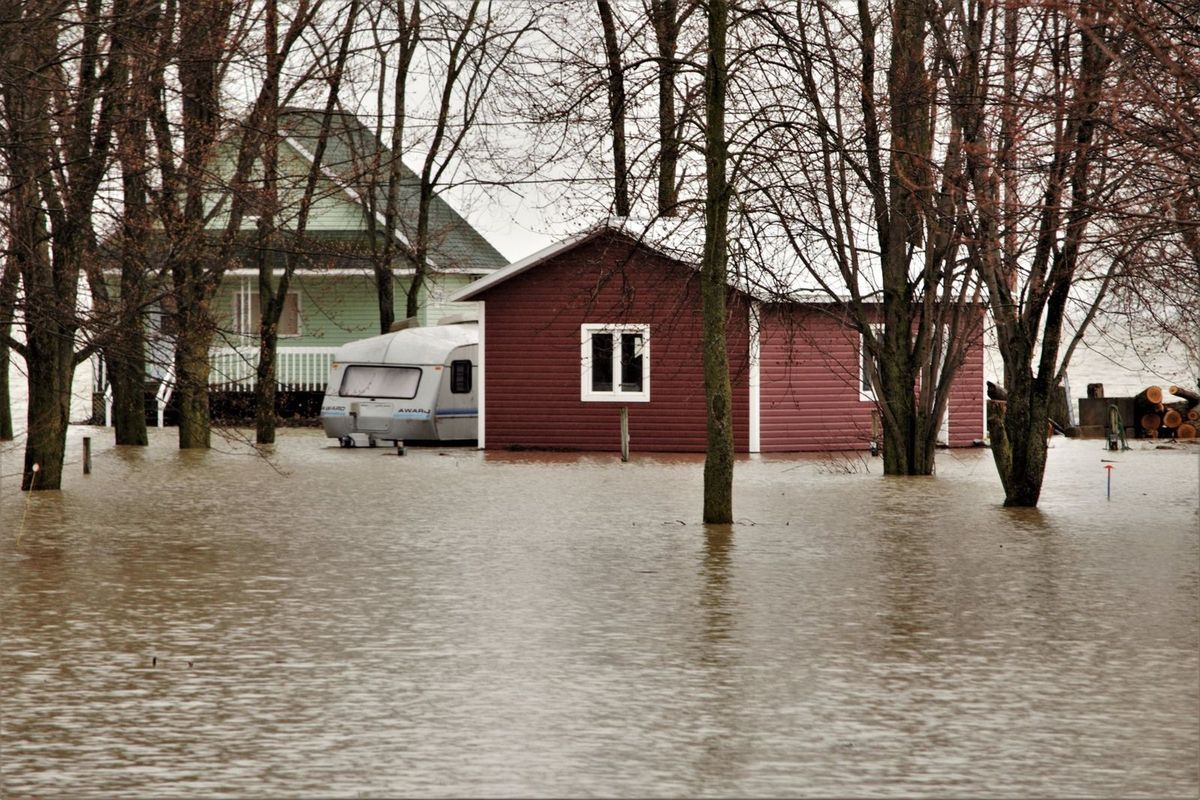
A house surrounded by floodwater after heavy rain
Extraction starts while the water is still draining.

Water does not stay where it landed. Within hours it has moved under flooring, up into the bottom of drywall and down through the subfloor into the crawl space or the ceiling below. Extraction is the step that stops that migration, and the speed of it decides what can be saved.

What counts as an emergency

Any amount of water you cannot remove with towels in an hour. In practice that means a supply line that let go, an overflowing tub or toilet, a water heater that split, a washing machine hose, a broken pipe after a freeze, a roof failure during a storm, or a basement or crawl space with standing water after rain. If you are unsure, call and describe it; the dispatcher will tell you whether it needs a crew tonight or a visit in the morning.

Why speed matters in a Seattle house

Puget Sound homes are built from materials that drink water. Plywood and OSB subfloors swell and delaminate. Older homes have plaster and lath that hold water for weeks. Blown-in and batt insulation in exterior walls and crawl spaces soaks up water and holds it against the framing. In our climate, with indoor humidity already high from November to April, wet materials dry slowly on their own, which is why mold can take hold on wet drywall and framing within a day or two.

Extraction done on day one followed by controlled drying routinely saves hardwood, cabinets and framing that would otherwise be replaced. The same loss discovered on day four is usually a demolition job.

What the crew brings

Extraction vehicles carry truck-mounted extraction with enough vacuum to pull water from carpet and pad, portable extractors for upper floors and condos where the truck cannot reach, weighted extraction tools for carpet, submersible pumps for standing water deeper than an inch, and the drying equipment for the first days of the job. Moisture meters, thermal imaging and a camera are used before anything else happens, because the photographs and readings from the first visit are what your claim is built on.

Clean water, grey water and black water

Restoration follows the IICRC S500 standard, which sorts water into three categories. Category 1 is clean supply water from a pipe or appliance feed line. Category 2 is grey water such as washing machine discharge or water that has sat long enough to pick up contaminants. Category 3 is black water from sewers, toilets with waste, groundwater and rivers, or clean water that has been standing for days. The category decides what can be dried in place and what must be removed; porous materials touched by Category 3 water come out. The crew classifies the water on arrival and explains what that means for your rooms before work begins.

After extraction: drying is the job

Getting water off the floor is the fast part. Getting the structure back to its normal moisture content is the part that prevents mold, odor and a second claim. The crew sets air movers and dehumidifiers sized to the space, returns daily to take readings, and removes equipment when the materials meet the dry standard for that material, which is documented in a drying log sent to your adjuster.

The claim

On covered losses the restoration contractor bills your insurer directly. You receive copies of the photographs, moisture readings, equipment log and the Xactimate estimate, the same package your adjuster sees. Your deductible applies to the claim as your policy states; no contractor in Washington is permitted to waive it. If the dispatcher or crew believes a loss is likely to be excluded, such as groundwater seeping through a foundation, you are told before any chargeable work starts and given a written estimate to decide on.

What to expect

What happens on an extraction call

Shutoff and safety

The dispatcher walks you through the shutoff on the phone. On arrival the crew confirms the source is stopped and checks that water has not reached outlets, the panel or gas appliances.

First 15 minutes

Photograph and meter

Before a single item is moved, the crew photographs each room and takes moisture readings on walls, floors and contents. This is the baseline your claim is built on.

First hour

Extract

Truck-mounted or portable extractors pull standing water from hard floors, carpet and pad. Weighted extraction tools squeeze water out of carpet rather than skimming it.

Hours 1 to 3

Remove what will not dry

Saturated carpet pad, swollen laminate, wet insulation and the bottom of drywall that has wicked water are removed, bagged and measured for the estimate.

Day 1

Set drying equipment

Air movers and a low-grain refrigerant dehumidifier are placed and sized to the room using the same formulas adjusters check. Readings are taken daily until dry.

Day 1 onward
FAQ

Questions homeowners ask us

How much water is too much to handle with towels and a shop vac?

If the water has reached carpet pad, gone under laminate or vinyl plank, climbed into drywall, or covered more than a small bathroom's worth of floor, household tools cannot get it out before materials start to fail. The tell is that surfaces still read wet with a meter the next day even though they feel dry. A shop vac removes puddles; it does not remove water from pad, subfloor and wall cavities.

Can wet carpet and hardwood be saved?

Carpet usually can if it is extracted within a day or two and the water was clean; the pad underneath almost never can and is replaced. Solid hardwood can often be saved with specialty drying mats if work starts within the first day or two and the boards have not cupped severely. Engineered and laminate flooring that has had water underneath generally comes out. The crew tells you which case you are in before removal.

Do I need to wait for the adjuster before anything is removed?

No. Your policy requires you to prevent further damage, and adjusters work from the photographs, moisture readings and removed-material measurements the crew records. Waiting days for an inspection with wet drywall in place produces mold, a bigger claim and a harder conversation. The crew documents everything first and keeps samples when a material's condition is in question.

What does emergency extraction cost in Seattle?

On covered claims the restoration contractor bills your insurer directly and you pay your deductible. Pricing follows Xactimate, the regional line-item price list carriers use, so extraction, equipment and removals are priced per square foot and per day at rates your adjuster recognizes. If the loss is not covered, you receive a written estimate before any chargeable work starts, and a typical single-room extraction and drying job runs in the low thousands of dollars.

Open now

Crews roll 24 hours a day

One call reaches a Washington-registered restoration contractor serving Seattle and the Puget Sound region. Nothing upfront on covered claims; your insurer is billed directly.

Call now(844) 543-5757
Send us photos

Show us what happened

Add a few photos, tell us where you are and a dispatcher looks at them right away, then calls or texts you back.