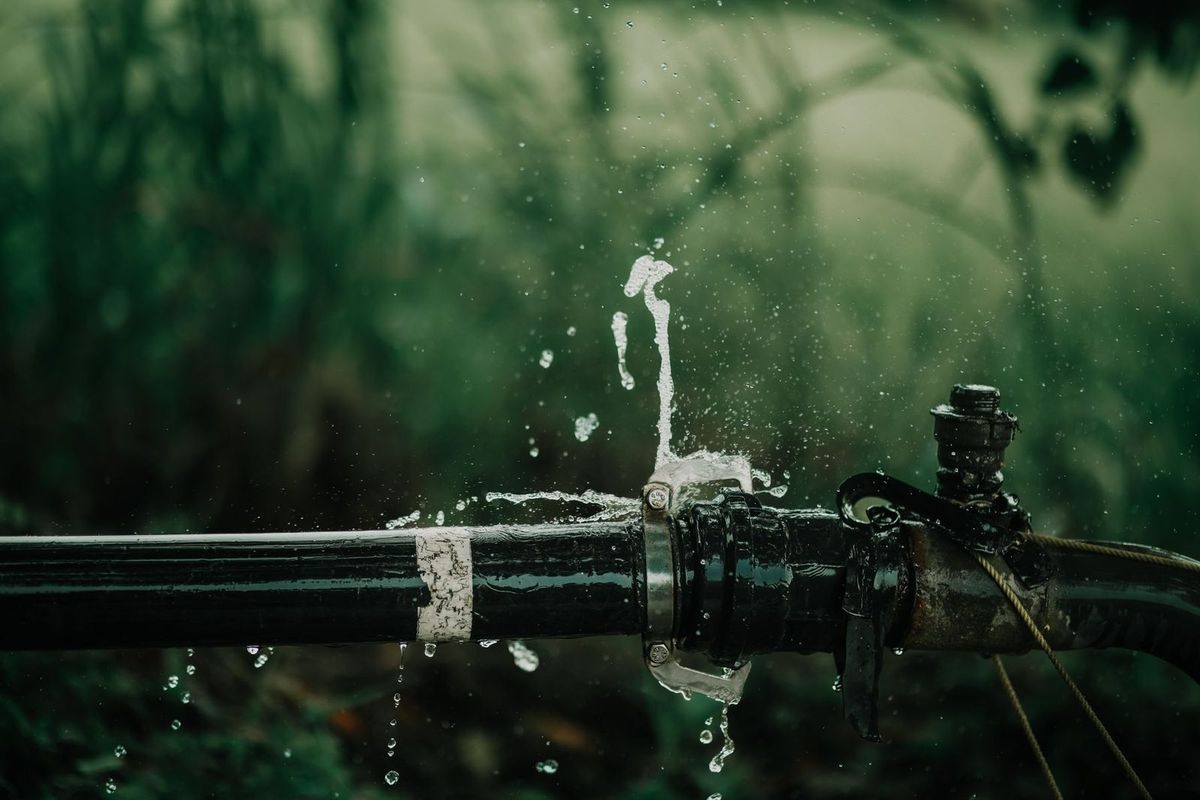
Puget Sound building practice assumes mild winters. Supply lines run through unheated crawl spaces, along the inside of exterior walls, through garages and out to hose bibs with little or no insulation. That works for years at a time, and then a cold snap holds below freezing for three or four nights and lines across the region split. The thaw arrives mid-morning when the house is empty, and the result is the most common large water loss in a Seattle winter.
Where pipes freeze in Seattle houses
Crawl space supply runs, especially near vents. Lines in exterior walls behind kitchen sinks and bathroom vanities on the north side. Garage lines feeding laundry rooms and water heaters. Hose bibs without frost-free valves. Attic lines in houses with second-floor additions. Vacation homes and vacant rentals with the heat turned down. Older galvanized and copper lines that have thinned over decades fail first; so do plastic supply lines and the compression fittings on toilets and faucets.
Not only in winter
Burst pipes happen year-round. Galvanized steel supply lines from the first half of the twentieth century corrode from the inside until they pinhole. Copper lines pit, especially at joints and where they touch other metals. Braided and plastic supply lines to toilets, sinks, dishwashers, refrigerators and washing machines fail with age; a washing machine hose can discharge as much water as a broken pipe. Water heater tanks rust through, usually from the bottom. Pressure spikes from a failing regulator stress every joint in the house. All of these are sudden, accidental losses and are handled and covered the same way.
What the water does
A supply line failure is clean Category 1 water at the start, which is the best case for salvage, but volume makes up for it. Water on an upper floor comes through the ceiling below, saturates insulation and ceiling drywall and runs down inside walls. Water on a slab or crawl space floor wicks up into drywall and framing. Hardwood cups within a day; laminate and engineered floors swell at the seams; cabinets and vanities soak water up through their toe kicks. The faster extraction starts, the shorter this list gets.
Opening walls the right way
The split is almost always inside a cavity, and the cavity has to be opened to dry it and to let your plumber make the repair. The crew cuts drywall cleanly at stud lines and at a consistent height so it can be patched with full sheets, removes wet insulation, and photographs the failed section of pipe before anything is replaced. Keep the failed section; adjusters sometimes ask to see it. If you have a plumber you trust, call them for the repair; if you do not, dispatch can suggest one, but the choice and the contract are yours.
Preventing the next one
Insulate exposed lines in the crawl space, garage and attic. Install frost-free hose bibs or shut off and drain outdoor lines in November. Open cabinet doors under sinks on exterior walls during a freeze and let a faucet drip overnight. Keep the heat at a reasonable minimum when the house is empty, which your policy likely requires. Replace braided supply lines and washing machine hoses on a schedule rather than when they fail. Know where the main shutoff is, and make sure everyone in the house does too.
The claim
Burst pipes are the claim insurers see most, and they are usually straightforward when the documentation is complete. The crew photographs the failure, maps and photographs the water path, logs the drying and produces an Xactimate estimate. On covered claims the restoration contractor bills your insurer directly and you pay your deductible. The plumbing repair itself is typically billed to you by your plumber and is often not covered, which the dispatcher will explain so there are no surprises.