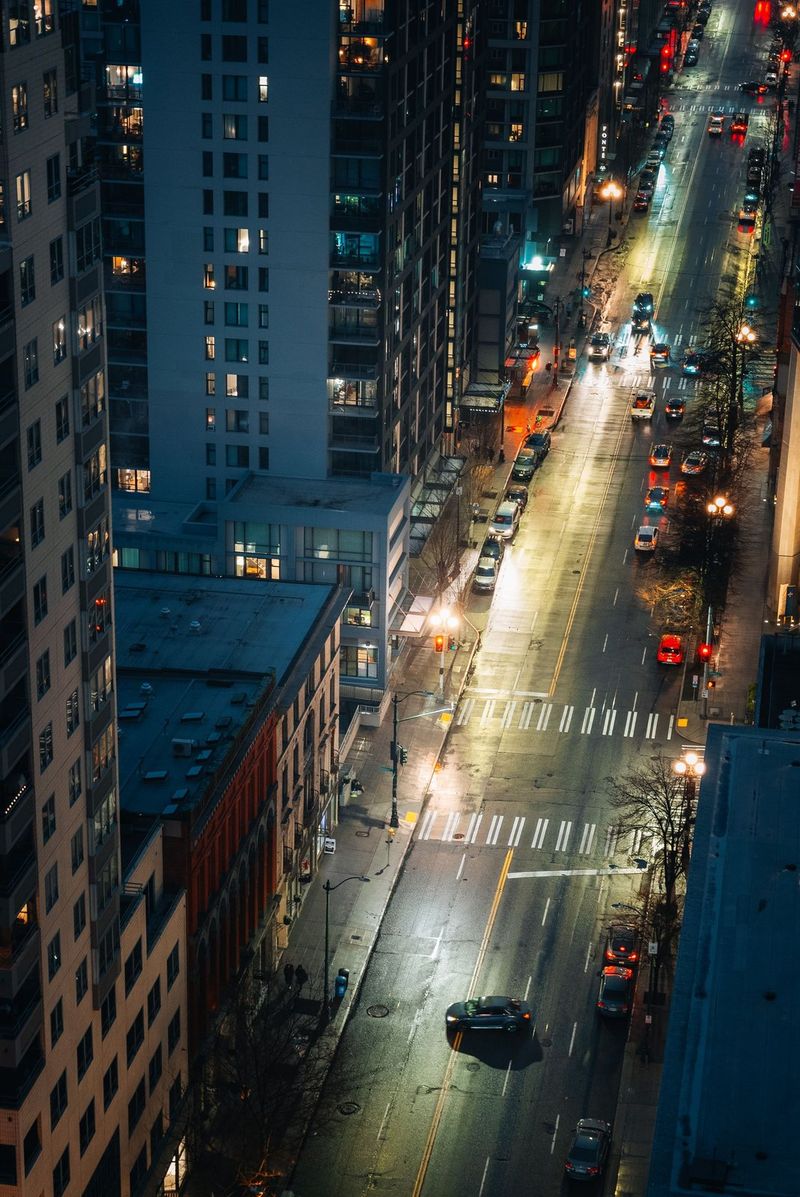
Seattle's oldest neighborhoods run on combined sewers that carry stormwater and sewage in the same pipe. In dry weather the system has capacity to spare. In a heavy atmospheric river it fills, and when it fills, the water goes to the lowest open point, which may be the floor drain, shower or toilet in a basement in Wallingford, Ballard, the Central District or West Seattle. Add a century-old side sewer under a big maple and the result is the call nobody wants to make.
What the standard policy says
The water damage exclusions in a standard Washington homeowners policy name water that backs up through sewers or drains and water that overflows from a sump or sump pump. The exclusion applies even if the backup was caused by the city's system and even if the water is relatively clean. The policy was simply written to leave this risk out.
The endorsement that puts it back
A water backup endorsement, sold by nearly every carrier under slightly different names, restores coverage for backups and sump overflows up to a stated limit. Limits start low, often five thousand dollars, and can be raised. A finished basement with a bedroom and a laundry can exceed a low limit quickly once drywall, flooring, cabinets and contents are counted, so choose the limit with your basement in mind rather than the premium.
Some carriers also offer service line coverage, which pays to repair or replace the side sewer, water service and other buried lines on your property. It is separate from backup coverage and worth considering for any pre-1950 house.
When the city might be responsible
Seattle Public Utilities maintains the public mains. If a blockage or failure in the main, or a surcharge of the combined system, pushed flow into your house, you may file a claim for damages with the city. The city evaluates whether its system failed or whether the cause was on the private side, and claims for rainfall that simply exceeded the system's design capacity are often not accepted. The crew's photographs, the time of the event, the weather, and a camera inspection of your side sewer are the evidence that decides it. File your insurance claim regardless; the two are not exclusive.
The side sewer under your yard
In Seattle the property owner is responsible for the side sewer from the house to the connection at the main, including the part under the public right-of-way. Clay and concrete side sewers from the early twentieth century crack, separate at joints, fill with roots and collapse. A camera inspection costs a few hundred dollars and tells you whether you have a problem waiting; a backup caused by your own line is yours alone.
Why the cleanup is different
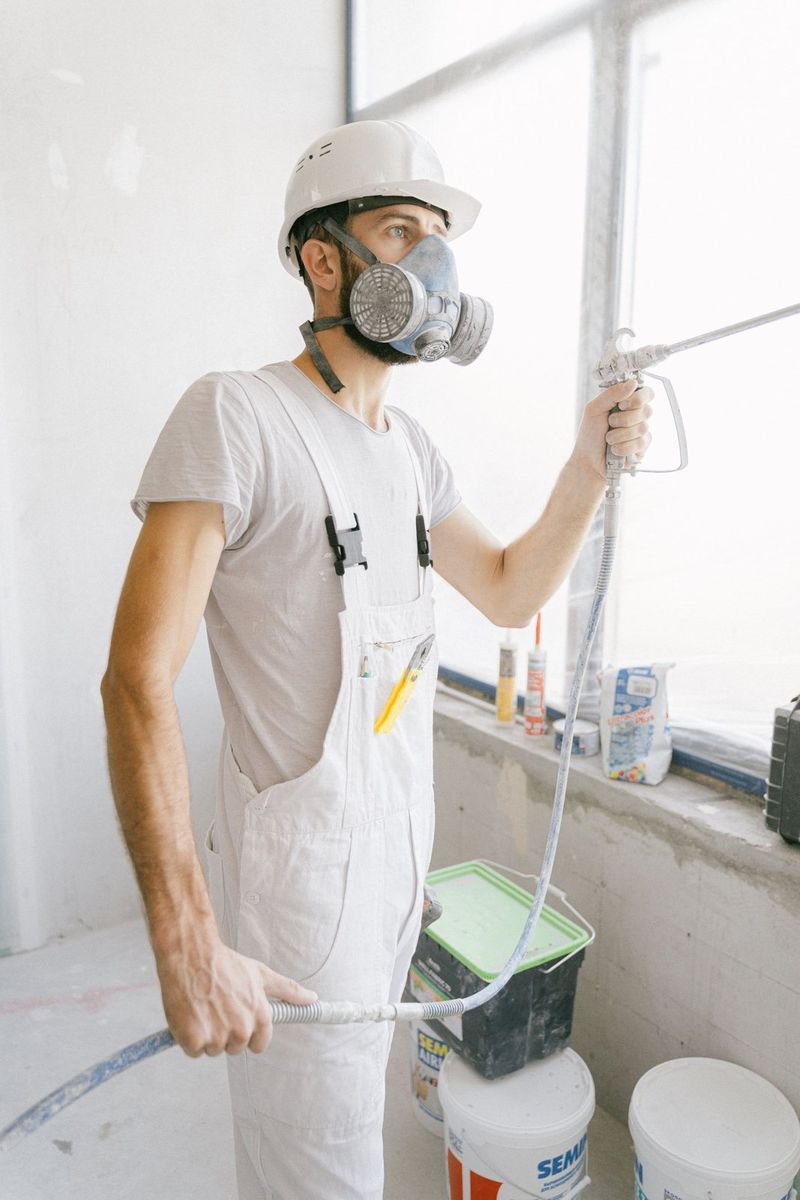
Sewage is Category 3 water. Carpet, pad, drywall, insulation, particle-board cabinets, cardboard boxes and upholstered furniture that it touched are removed and disposed of, not dried. Hard surfaces are cleaned and disinfected. The crew works in protective equipment under containment and runs air filtration. Drying follows removal. Because so much more comes out than in a clean-water loss, the estimate is larger, which is another reason the endorsement limit matters.
Keeping it from happening
A backwater valve installed on the side sewer lets flow out and stops it from coming back; it is the single most effective protection for a Seattle basement in a combined sewer area, and some plumbers and the city have information on installation. Keep the side sewer inspected and cleared of roots. Do not plumb a sump pump or downspouts into the sanitary line. And carry the endorsement.