Raining right now? Lines are open 24 hours, every dayOpen 24 hours · Seattle & Puget Sound Call or text (844) 543-5757·info@helpmenow.com
Rain CityWater Damage
(844) 543-5757
Find it first

Leak detection and hidden water damage

Call me right now

Need help? Request a local contractor

Free · No obligation · You choose who to hire

Handled by HelpMeNow.com, a Help Me Now Inc service. The restoration contractor who calls you is an independent Washington-registered business.

Most water damage in Seattle homes is found late: a stain that grows, a smell that will not leave, a floor that feels soft, a water bill that doubled. Technicians find the water with meters and thermal imaging, then dry and document what it has already done.

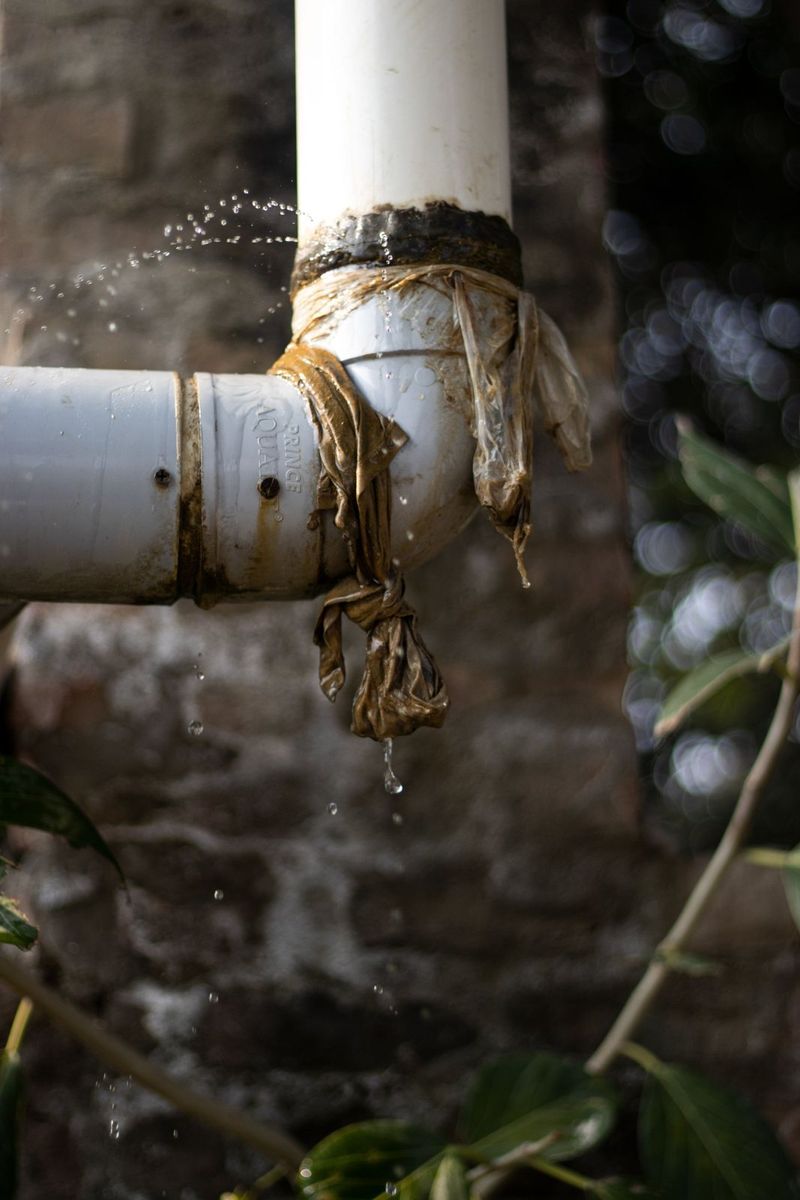
Water dripping from a failed pipe joint
A slow drip inside a wall shows up as a stain weeks later.

Water that you can see is easy. The losses that cost the most in Seattle are the ones that stay hidden: a supply line pinholing inside a wall for a month, a shower pan failing drip by drip into the subfloor, a roof flashing leak that only runs during southwesterly storms, a slab leak warming one patch of the kitchen floor. By the time there is a stain, there is usually mold, soft framing and a much larger area of wet material than the stain suggests.

How water hides

Drywall, plaster, hardwood and tile all look dry long after the material behind them is saturated. Water travels along the top of a vapor barrier, down the inside of a wall, across a subfloor to the lowest point, and surfaces somewhere that may be rooms away from the leak. In a Seattle crawl-space house the first sign is often a smell that comes up through the floor in spring; in a condo it is the downstairs neighbor's ceiling.

The tools

Infrared thermal imaging shows surface temperature. Wet materials are cooler because water evaporating from them pulls heat away, so a camera reveals the shape of a wet area behind paint, under laminate or above a ceiling without touching it. It also finds hot-water line leaks under slabs as a warm patch.

Pinless moisture meters read the moisture in the first inch or so of a material through its surface, which makes mapping fast and non-destructive. Pin meters confirm readings and reach into cavities through small holes. Readings are compared with a dry reference area of the same material in the same house.

Pressure and dye testing separates supply-side leaks, which hold pressure poorly, from drain and fixture leaks, which show up with dye. Acoustic listening locates pressurized leaks under slabs and in service lines.

The result is a moisture map on a floor plan: what is wet, how wet, and where the edges are. That map is the basis for the drying plan, for the scope of any demolition, and for the claim.

Common hidden leaks in Seattle homes

Shower pans and tile surrounds in 1960s to 1990s bathrooms, which fail at the corners and drain into the subfloor and the ceiling below. Pinholed copper and corroded galvanized supply lines inside walls. Refrigerator ice-maker lines behind the fridge. Dishwasher supply and drain connections under the counter. Window flashing failures that wet the wall cavity under a window every winter. Roof-to-wall flashing at additions and dormers. Slab leaks on hot water lines in post-war ramblers. Side sewer cracks that keep a crawl space damp under one corner of the house.

After it is found

Finding the water is the first visit. Stopping it is your plumber's or roofer's job, and the crew coordinates timing so drying starts as soon as the source is closed. Wet materials that can be dried in place are dried with targeted equipment, cavities are opened where needed, and anything that has been wet long enough to grow mold or lose structural integrity is removed. Readings continue until the map reads dry.

The claim, and the timing that matters

Coverage for hidden leaks turns on sudden versus gradual and on how quickly you acted after discovery. The crew documents the date of discovery, the condition of the materials, the extent of the moisture map and the cause, and separates what is clearly recent from what is clearly long-term. That honest record is what allows an adjuster to approve the recent portion rather than denying the whole claim as neglect. On covered portions the contractor bills your insurer directly; for anything excluded you get a written estimate first.

What to expect

How a hidden leak investigation runs

Interview and walkthrough

When the sign appeared, what changed, whether it tracks with rain or with use of a fixture. The pattern narrows the search before any equipment comes out.

First 20 minutes

Thermal imaging

An infrared camera shows temperature differences where evaporation is cooling a wet surface, mapping the extent of wet material behind paint and under flooring without opening anything.

First hour

Moisture mapping

Pinless and pin meters confirm what the camera suggests and give numbers: how wet, how far, which materials. The map is drawn on a floor plan for the file.

First hour

Source confirmation

Pressure testing on supply lines, dye testing on drains and fixtures, and inspection of the roof, flashing and exterior envelope confirm where the water is coming from.

Same visit

Dry, document, repair

Once the source is stopped by your plumber or roofer, affected materials are dried or removed, and the full record goes to your insurer.

Following days
FAQ

Questions homeowners ask us

Is a slow, hidden leak covered by insurance?

This is the hardest coverage question in water damage. Most policies cover sudden and accidental discharge and exclude damage from repeated seepage or leakage over weeks or months. In practice, many adjusters cover the damage from a hidden leak if the homeowner could not reasonably have known about it and acted promptly once it was discovered, while denying the portion that is clearly long-term deterioration. Some policies now carry a specific hidden water damage endorsement. Documentation of when the leak was discovered and how quickly you acted matters enormously.

What are the signs of a hidden leak?

A musty or earthy smell with no visible water. A water bill that rose without a change in use. The sound of running water when everything is off. A warm spot on a slab floor, which suggests a hot water line. Bubbling or peeling paint, soft baseboards, cupped hardwood, a stain that comes and goes with rain or with showers, and tile grout that keeps cracking. Any of these is worth a call before it becomes a demolition.

Will you have to tear open my walls to find it?

Usually not to find it. Thermal imaging and moisture meters locate wet material through drywall, tile and flooring. Some opening is often needed to dry the cavity and for your plumber to repair the line, and it is kept to the wet area and cut cleanly for patching.

My water bill doubled. Where do I look?

Check the meter with everything off; if the dial moves, water is leaving the system somewhere. The usual suspects are a running toilet, an irrigation line, a hose bib, the water heater relief valve, and the service line between the meter and the house. A slab or service line leak is one the crew can locate with listening equipment and thermal imaging.

Open now

Crews roll 24 hours a day

One call reaches a Washington-registered restoration contractor serving Seattle and the Puget Sound region. Nothing upfront on covered claims; your insurer is billed directly.

Call now(844) 543-5757
Send us photos

Show us what happened

Add a few photos, tell us where you are and a dispatcher looks at them right away, then calls or texts you back.