The crawl space is the part of a Seattle house nobody looks at until something smells. Under most of the city's single-family housing, from the 1920s Craftsmans in Ballard and Wallingford to the mid-century ramblers in Northgate, Lake City and Delridge, there is a two- to four-foot space of bare or barely covered soil, floor joists, plumbing runs and insulation. When water gets in, it gets into all of it.
How water gets under the house
Groundwater. The Seattle area sits on glacial till, a dense layer that water cannot soak through quickly. During the long rains of November through February the water table rises and water moves sideways across the top of the till, straight into any crawl space dug into a hillside or sitting in a low spot. This is the most common cause and, unfortunately, the one insurance does not cover.
Surface water. Downspouts disconnected or discharging against the foundation, grading that slopes toward the house, window wells without covers and crawl space vents at or below grade all deliver rainwater directly underneath. Hundreds of gallons from a single roof in one storm.
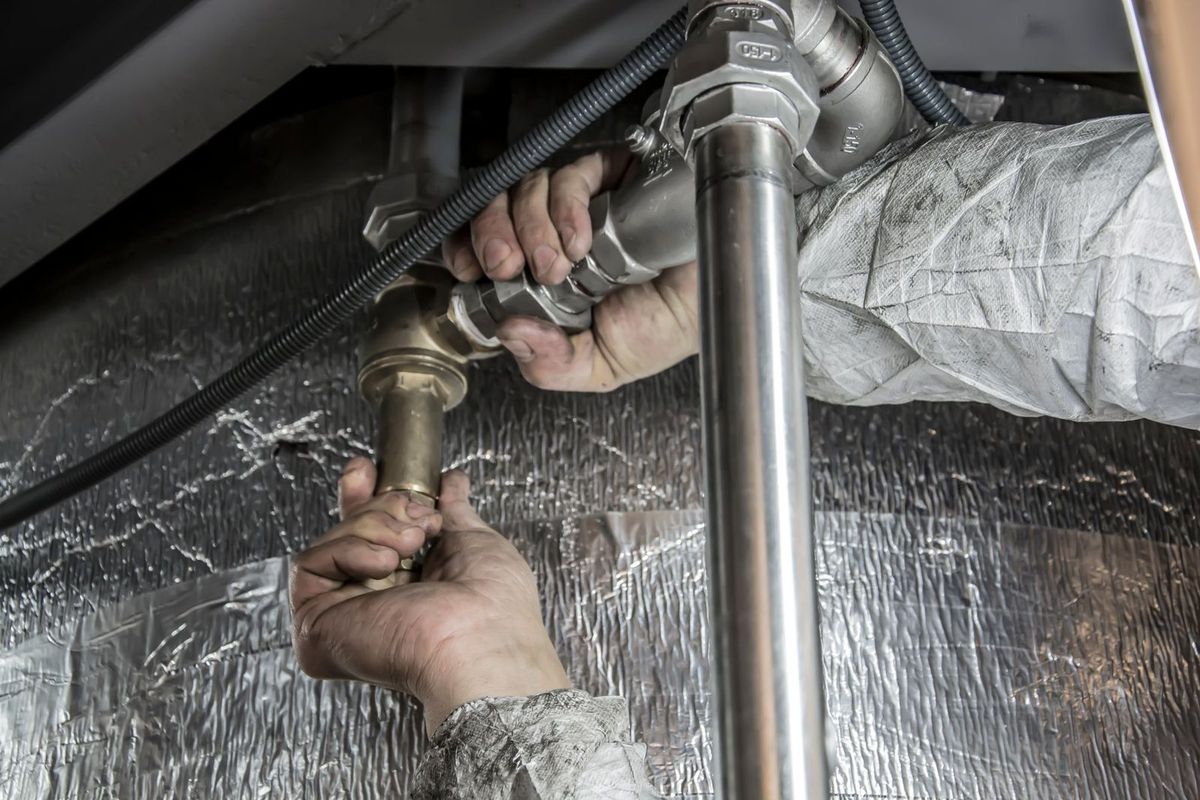
Plumbing above. Supply lines, drain lines, the water heater, the washing machine and the dishwasher all drain into the crawl space when they fail. A slow leak can run for months unseen, saturating the soil and the insulation below one spot. These losses are usually covered.
Sewer and side sewer. Older cast-iron and clay drain lines crack and leak under the house, and side sewer backups can surface through a crawl space cleanout. These are Category 3 losses that require removal of contaminated soil surface material and disinfection, and coverage depends on your policy's water backup endorsement.
What water does down there
Fiberglass batts between the joists absorb water and sag away from the subfloor, where they stay wet for months. Vapor barrier traps water on top of it. Joists, beams, posts and the subfloor absorb moisture from both the standing water and the humid air. Mold colonizes the wet wood and the paper facing of insulation. Because the house draws air up from the crawl space, that air ends up in your living room; a wet crawl space is the usual reason a Seattle house smells musty.
Left for years, the cycle rots sill plates, rim joists and the bottoms of posts. Structural repair under a house costs many times what drying would have.
Drying a crawl space properly
Pumping out the standing water is the first hour of the job. The work that matters is afterward: extracting the remaining saturation, removing ruined insulation and vapor barrier, sealing the vents so the dehumidifier dries the space rather than the whole neighborhood, and running air movers until joists and subfloor return to normal moisture content, which is confirmed with a meter rather than by feel. Framing is treated with an antimicrobial, new vapor barrier is laid and taped, and insulation is replaced.
The honest coverage conversation
Because the source decides coverage, the technician identifies it on the first visit and tells you plainly. A covered plumbing loss is billed directly to your insurer with full documentation. A groundwater or seepage problem is not covered by standard policies; you get a written estimate for the drying and replacement work and a clear description of where the water came in so a drainage contractor can address the cause. Nobody is sent a bill they did not agree to.
Crawl space season in Seattle
Calls peak from the first atmospheric river in November through the end of February and again after any freeze, when pipes running through the crawl space split. Spring brings the smell calls, when the first warm days push months of damp air up into the house. Whatever month it is, a wet crawl space is worth a call the week you notice it.