Raining right now? Lines are open 24 hours, every dayOpen 24 hours · Seattle & Puget Sound Call or text (844) 543-5757·info@helpmenow.com
Rain CityWater Damage
(844) 543-5757
The reason speed matters

Mold prevention after water damage

Call me right now

Need help? Request a local contractor

Free · No obligation · You choose who to hire

Handled by HelpMeNow.com, a Help Me Now Inc service. The restoration contractor who calls you is an independent Washington-registered business.

In Seattle's damp climate, wet building materials can start growing mold within 24 to 48 hours. The way to avoid a mold problem is not a spray; it is drying the structure fast, to a measured standard, and proving it.

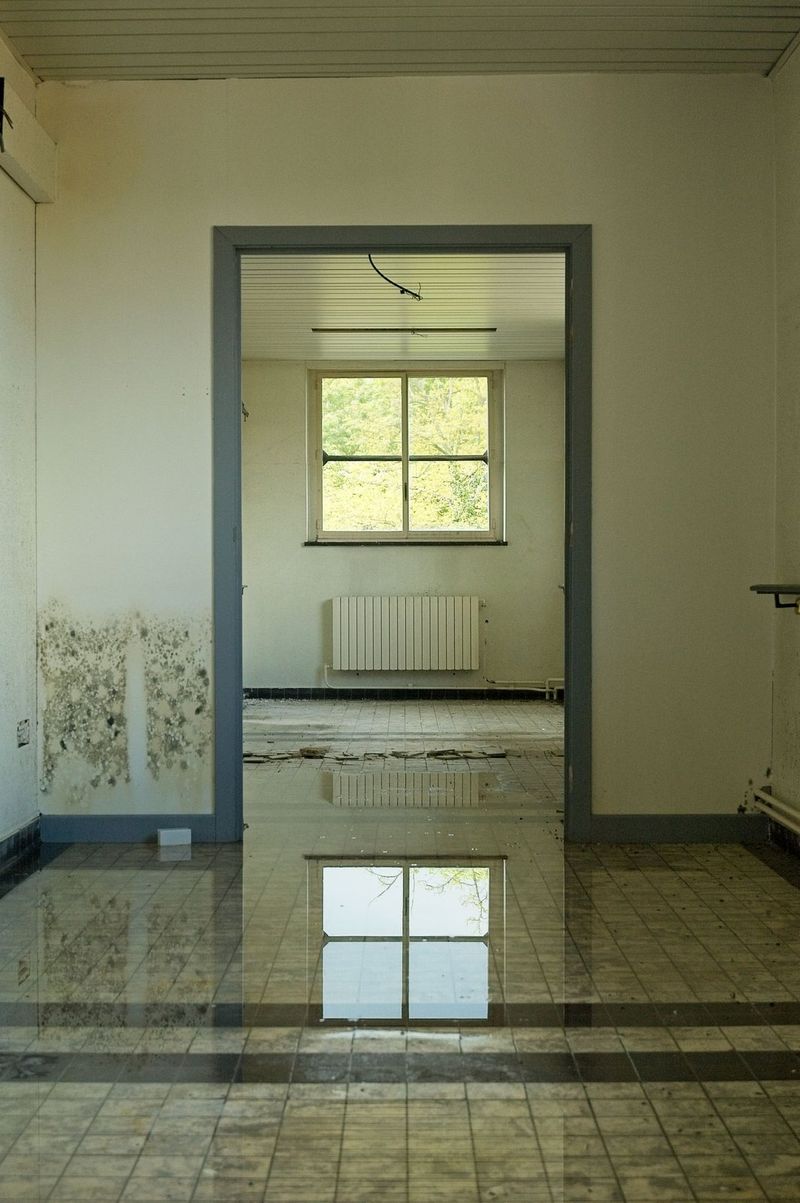
A room with mold growth on the walls and standing water on the floor
Two weeks without drying. This is what same-day drying prevents.

Mold is the reason water damage has a clock. A leak that is extracted and dried within a day or two is a drying job. The same leak found or left for a week is a mold job, with containment, removal and testing, at several times the cost and disruption. In the Puget Sound climate, where indoor humidity runs high from fall through spring and houses are built from paper-faced drywall, wood framing and absorbent insulation, that clock runs fast.

What mold needs

Spores are everywhere and cannot be eliminated. Growth requires moisture, a food source and a few days. Drywall paper, wood, dust, the backing on carpet and the paper facing on insulation are all food. Wet is the one condition that can be controlled, and the standard restoration follows, the IICRC S500, is built around removing it quickly and measurably.

Why Seattle houses are prone to it

Cool interior temperatures and high ambient humidity slow natural evaporation, so wet materials here stay wet far longer than they would in a dry climate. Crawl spaces push damp air up into the house. Older homes have multiple layers of flooring and wall finishes that trap water between them. Many leaks are discovered late, after rain-driven or slow sources have kept an area damp for weeks.

Drying is the prevention

The most effective mold prevention is boring: extract bulk water the same day, remove materials that will not dry inside the window, and apply enough airflow and dehumidification that the remaining materials return to their normal moisture content within a few days. Equipment is sized by calculation, readings are taken daily against a dry reference, and the equipment stays until the numbers say dry, not until a certain number of days has passed. A fan left in a hallway for a week is not drying; it is theater.

Antimicrobial treatment

Once materials are dry, exposed framing, subfloor and the back of remaining drywall in the affected area are treated with an EPA-registered antimicrobial. This addresses the early growth a wet period may have started and is a standard, documented step on water losses. It is not a substitute for drying, and no product applied to a wet surface prevents mold on its own.

When it is already mold

If an area has been wet for weeks, has visible growth over more than a small patch, or has that unmistakable earthy smell with staining behind baseboards and under flooring, the situation is remediation rather than prevention. That work runs under containment with negative air pressure and filtration, removes affected porous materials, and often includes clearance testing. Crews will tell you honestly when a job has crossed that line, because treating a mold problem as a drying job leaves it in the walls.

The paper trail

Every reading, photo and treatment is logged. For your adjuster, the log shows the loss was mitigated promptly and properly, which protects the claim. For you, it is proof that the structure was dried to standard, which matters if you sell the house and a buyer's inspector asks about the water stain in the disclosure.

What to expect

How a leak is kept from becoming mold

Extract within the first day

The faster bulk water leaves, the less time materials spend saturated. Same-day extraction is the single most effective mold prevention there is.

Day 0

Remove what cannot dry in time

Carpet pad, wet insulation, swollen particle board and the wet bottom of drywall are removed, because they would stay wet past the window where mold begins.

Day 1

Dry to a target, not a schedule

Air movement and dehumidification are set up by the volume of the space and the materials involved, and run until meters show the structure at its normal moisture content.

Days 1 to 5

Antimicrobial treatment

Once dry, exposed framing and subfloor in the affected area are treated with an EPA-registered antimicrobial to address any early growth the water started.

After dry readings

A log you can keep

Daily readings and photographs document that the structure was returned to dry standard, which matters for your adjuster now and for a future buyer later.

Throughout
FAQ

Questions homeowners ask us

How fast does mold grow after water damage?

Mold spores are always present; they need moisture and a food source to grow. On wet paper-faced drywall, wood and dust in a Seattle house at normal indoor temperature, visible growth can begin within 24 to 48 hours and establish within a week. That is why drying starts the same day rather than after an inspection.

Can I just spray bleach on it?

Bleach on a porous surface like drywall or wood kills surface growth and leaves the roots and the moisture behind, so it comes back. It also does nothing for the wet cavity behind the surface. The effective sequence is remove the water, dry the material, treat with an antimicrobial, and only then clean or replace surfaces. If growth is already extensive, the affected material is removed under containment rather than treated.

What if mold has already started?

Small amounts of early growth on materials that are being removed anyway are handled as part of the water damage work, with containment and air filtration where appropriate. Established growth across a large area is a remediation project with its own protocol, and the crew will tell you honestly when a situation has crossed that line rather than treating it as a drying job.

Does insurance cover mold from water damage?

Policies vary widely. Many Washington policies cover mold remediation only when it results from a covered water loss, and cap it at a sub-limit, commonly a few thousand dollars. Mold from long-term leaks, humidity or neglect is generally excluded. Preventing growth with fast drying keeps most claims from touching the mold sub-limit at all.

Open now

Crews roll 24 hours a day

One call reaches a Washington-registered restoration contractor serving Seattle and the Puget Sound region. Nothing upfront on covered claims; your insurer is billed directly.

Call now(844) 543-5757
Send us photos

Show us what happened

Add a few photos, tell us where you are and a dispatcher looks at them right away, then calls or texts you back.