Tacoma's old neighborhoods
The North End, Proctor, Old Town, the Stadium District and parts of Hilltop and the Eastside have housing from the 1890s through the 1930s: big Craftsman and foursquare houses with full basements, galvanized supply lines, cast-iron and clay drains, and plaster walls that hold water for weeks. The slopes above Commencement Bay and down to Ruston Way shed groundwater into those basements every wet winter, which is seepage and excluded; the plumbing failures inside them are covered. Tacoma's older neighborhoods also have combined and aging sewers that back up in heavy rain.
South Tacoma, Northeast Tacoma, University Place, Fircrest and Lakewood are post-war ramblers and split-levels on crawl spaces, with 1950s through 1970s copper and water heaters, and a large stock of apartments and condominiums around Lakewood and the Tacoma Mall area that produce stacked losses.
The Puyallup valley
Fife, Milton, Edgewood, Sumner, Puyallup and the valley floor toward Orting sit on the Puyallup River's floodplain with a high water table. Crawl spaces there fill from below in wet winters, which is a drainage matter rather than a claim, and river flooding is covered only by a flood policy. South Hill, Bonney Lake and the plateaus above the valley are 1980s to 2010s subdivisions with modern plumbing and modern whole-house losses, plus long exterior runs that freeze.
Gig Harbor and the peninsula
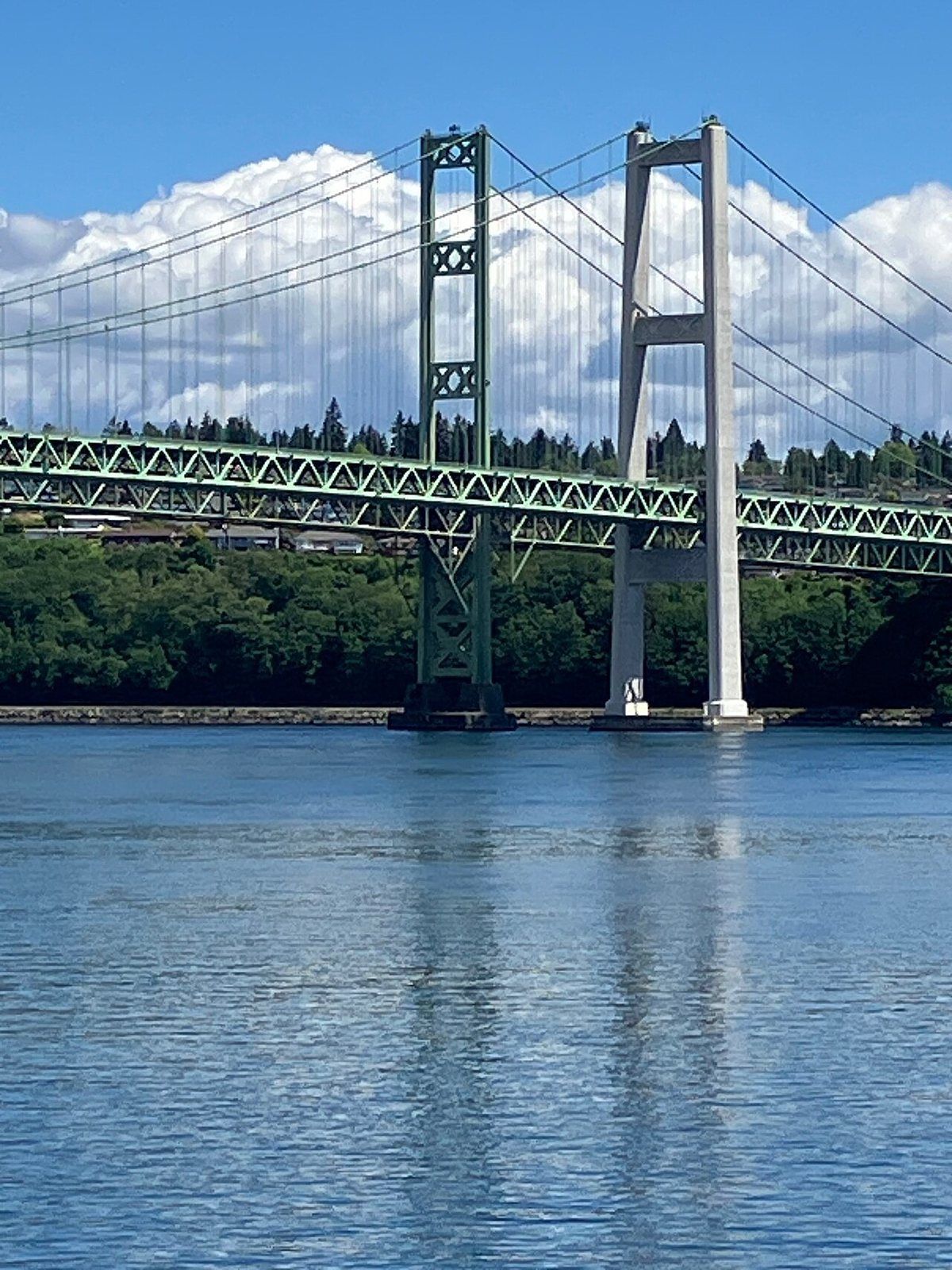
Across the Narrows, Gig Harbor's older waterfront homes and the newer developments inland have the peninsula's own groundwater and wooded, sloped lots. Response depends on the bridge, and the dispatcher accounts for that. Fox Island and the near Key Peninsula are served with longer windows.
Parkland, Spanaway, Graham
The south county is a mix of 1960s through 2000s houses on large lots, manufactured home communities and new subdivisions. Long private water lines and exterior plumbing freeze in cold snaps; water heaters in garages fail; and the newer two-story houses produce the upstairs-laundry loss that soaks the whole floor below.
When you call
Dispatch takes your address and what you are seeing, and routes the nearest crew. You receive the restoration contractor's name and Washington L&I registration number before arrival. Covered losses are documented and billed directly to your insurer; seepage and groundwater are explained honestly with a written estimate first.